

Is your dog trying to tell you something?


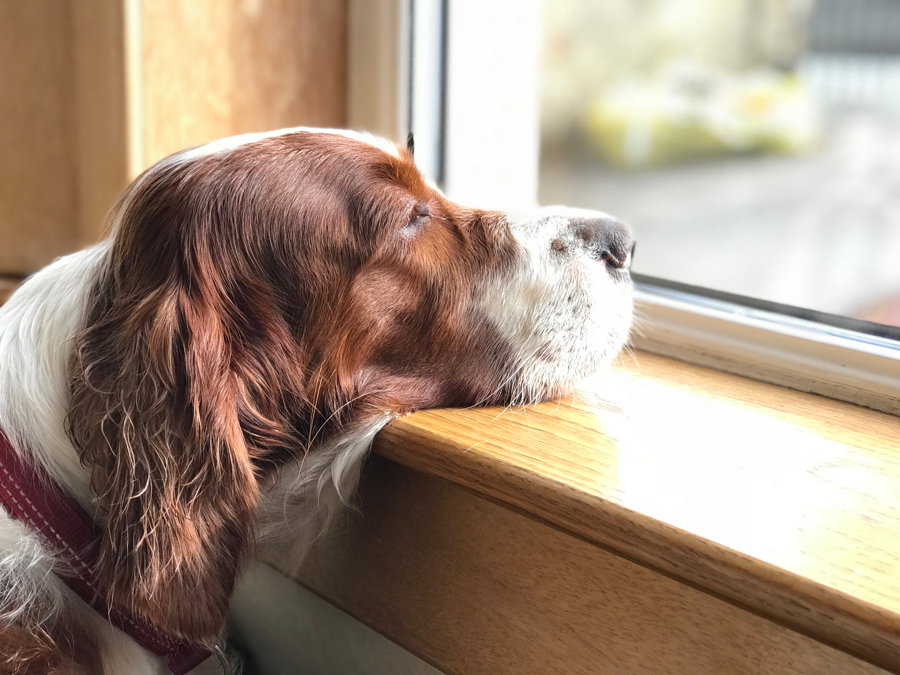
Our dogs have a wonderful way of making us feel better. Whether we've had a brilliant day or one we'd rather forget, they somehow know how to make things feel a little brighter.
But this World Mental Health Day, we're turning the tables. We know how much our dogs mean to us, but how well do we really understand how they're feeling?
Just like us, dogs can experience stress, fear and anxiety. And while they can't tell us when something's bothering them, their body language can reveal a lot about how they're feeling. Sometimes, we just need to know what to look for.
Previous research by The Royal Kennel Club found that while 72% of dog owners believed they could accurately read their dog's body language, 88% didn't recognise that yawning could be a sign of stress or fear.
So, could your dog be trying to tell you something?
The little signs that say a lot
Dogs communicate through their body language, and some of the signs that they're feeling uncomfortable can be surprisingly easy to miss.
Here are a few things worth looking out for:
- Yawning: Not always a sign that it's time for a nap. Dogs may also yawn when they're feeling uncomfortable or anxious.
- Licking their lips: If there's no food involved, repeated lip licking can sometimes signal stress.
- Stiff body language: A tense posture, ears pinned back or a tucked tail may suggest your dog is feeling uneasy.
- Turning away: Moving away from people or situations can be a dog's way of asking for space.
- Wide eyes: Showing the whites of their eyes (whale eyes) or holding a fixed stare can be a sign of discomfort, particularly alongside other changes in body language.
- Changes in behaviour: Becoming withdrawn, pacing or losing interest in favourite activities could suggest something isn't quite right.
Of course, a yawn doesn't automatically mean your dog is anxious, and a wagging tail doesn't always mean they're happy. Every dog is different, so it's important to consider the situation and their usual behaviour.
What might be stressing your dog out?
Just like us, dogs can be affected by changes in their surroundings and daily routines.
Moving house, welcoming a new family member, unfamiliar noises or being left alone can all be unsettling for some dogs. Even boredom, a lack of stimulation or not having enough opportunities to rest can affect their wellbeing.
And just like us, dogs have their own personalities. What one dog takes in their stride might be a big deal for another. It's also worth remembering that changes in mood or behaviour can be linked to pain or an underlying health issue, which is why it's important not to dismiss them.
Time for a dog check-in
We check in on our friends, family and ourselves, but when was the last time we checked in on our dogs?
Here are four little questions worth asking:
1. Does my dog feel safe?
Are they relaxed in their surroundings? Look for a loose body posture, soft eyes and comfortable, natural movements. Notice if something seems to be making them uneasy.
2. Are they getting enough downtime?
Even the busiest dogs need somewhere quiet and cosy to switch off. Make sure they have a comfortable place where they can rest undisturbed.
3. Have they had time to just be a dog?
Whether it's sniffing their way through a walk, playing with a favourite toy or enjoying a little training session, making time for the things they love can help keep them happy and engaged.
4. Am I listening when they need space?
Not every dog wants to cuddle or to say hello to everyone they meet. Turning away or moving off might be their way of saying they've had enough, and respecting those signals can help them feel more comfortable.
Looking after both ends of the lead
Our dogs do plenty for us, from keeping us active to providing companionship on the days we need it most. But looking after them goes beyond daily walks, dinner bowls and favourite toys. Understanding their body language, recognising when something isn't quite right and knowing when they need a little extra support are all part of being their best friend.
If your dog regularly shows signs of anxiety, or you notice sudden changes in their behaviour, speak to your vet. They can rule out any underlying health concerns and recommend support from a qualified behaviourist if needed.
For more advice, explore the Royal Kennel Club information on depression in dogs.
This World Mental Health Day, take a moment to check in on your dog. You might be surprised by what they're telling you.
Happy dog, happy days


